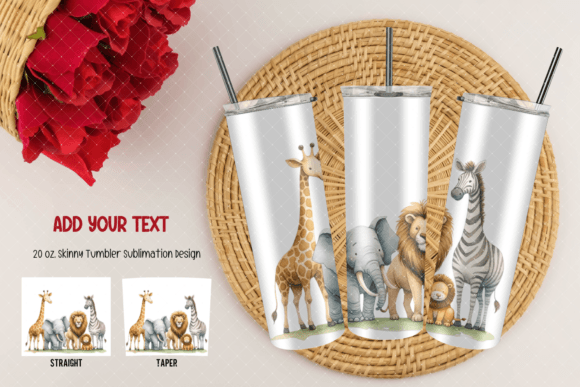
Animals Safari Tumbler Designs
A Designer’s First Look: Whimsy with Purpose
When I opened Animals Safari Tumbler Designs, I didn’t see just another wildlife-themed graphic—I saw a mood. Playful but grounded, bold enough for visibility on a tumbler yet detailed enough to hold up in smaller applications like baby onesies or embroidered patches. The layout feels intentional: animals arranged with breathing room, not crammed; silhouettes balanced with subtle texture—think light satin stitch accents on ears or tails, not overwhelming fill stitch density. It reads as joyful, not chaotic—a rare win for safari motifs that often tip into clutter.
How It Lands in Real Projects (Not Just Mockups)
Last week, I used one of the designs from Animals Safari Tumbler Designs to embroider a linen tea towel for a local boutique’s summer collection. Not on a tumbler—on flat, medium-weight fabric, with visible grain and zero stretch. The result? Clean lines, confident stitch definition, and zero puckering—even without heavy cutaway stabilizer. That tells me this isn’t just a “tumbler-only” design. It’s built with real embroidery physics in mind.
I’ve also tested it on a lightweight cotton sweatshirt (medium-stretch knit) using tear-away + light iron-on stabilizer. The animals retained shape across the shoulder seam, and the running stitch outlines held crispness where fill areas met curved edges. For Etsy sellers offering custom embroidered totes or aprons, that reliability matters: fewer re-dos, faster turnaround, happier customers holding something that looks professionally finished—not handmade-but-hurried.
Where It Shines—and Where to Pause
Animals Safari Tumbler Designs excels on stable, mid-to-heavyweight fabrics: canvas tote bags, denim jackets, twill caps, tea towels, and structured nursery pillows. On those surfaces, the design’s visual personality comes through clearly—friendly, approachable, subtly educational (great for baby embroidery or kids’ classroom gifts). It also works well in printable mockups for social media listings: the contrast and clean shapes translate beautifully to digital previews.
But here’s where judgment kicks in: avoid using it full-size on thin cotton tees or lightweight baby bodysuits without adjusting stitch density first. Some versions include fine interior details—like whiskers or feather textures—that may vanish or snag on delicate weaves. And while it handles curved surfaces decently, I’d scale down the largest animal motif by 10–15% for front-of-cap placement. Hoop size matters more than the listing implies—check your file’s actual dimensions before loading it onto a 4x4 hoop for a toddler cap.
Fabric & Function Notes You’ll Actually Use
- Dark fabric? Test thread colors early. The design relies on contrast—so if you’re stitching on navy or charcoal, opt for bright ecru or warm tan rather than stark white for softer impact.
- Textured fabric? Like burlap or slubbed linen? Use medium-weight cutaway stabilizer underneath and reduce top tension slightly. Those satin stitch highlights catch beautifully—but only if the base doesn’t shift.
- Frequent washing? Avoid dense fill areas near seams on items like kitchen towels or baby bibs. A lighter fill stitch or strategic running stitch outline adds durability without sacrificing charm.
- Commercial use? Since Animals Safari Tumbler Designs is listed under Graphics in the Crafts category, confirm licensing terms before bundling it into digital embroidery kits or selling stitched patches at craft fairs. Clarity here protects your craft business long term.
What It Does for Your Brand—Beyond the Stitch
This isn’t just about aesthetics—it’s about perception. When a customer sees an embroidered tote bag featuring Animals Safari Tumbler Designs, they don’t just register “cute animals.” They register care: thoughtful spacing, balanced weight, cohesive color readiness. That builds trust—especially for small shop owners curating holiday embroidery or personalized gifts. I’ve watched buyers linger longer on listings where this design appears in natural light photos (not studio-white backdrops), especially when styled with woodgrain or earth-toned props. It quietly signals authenticity.
For apparel decorators adding safari-themed options to their custom sweatshirt line, the design bridges niche and mainstream appeal. It’s recognizable enough for wildlife lovers but stylized enough to avoid cliché—no cartoonish roars or overused lion-manes. That versatility makes it strong for boutique branding: pair it with neutral typography on a tag, and you’ve got instant cohesion.
Practical Designer Checklist Before You Stitch
- Run a test on scrap fabric matching your final project’s weight and stretch.
- Check how small details—like eyes or paw pads—render in both black and white mockups (color blindness accessibility matters for product photos).
- Compare stitch clarity on light vs. dark backgrounds—some elements may need slight manual tweaks for legibility.
- Verify stabilizer type: tear-away for stable wovens, cutaway for knits or textured surfaces.
- Review thread color recommendations—if none are included, start with 2–3 high-contrast options (e.g., olive + cream + terracotta) to match seasonal palettes.
- Confirm whether the embroidery file includes separate layers (e.g., outline-only for quilting or heat-transfer prep)—handy for hybrid craft business offerings.
Final Thought: A Design That Grows With Your Work
Animals Safari Tumbler Designs doesn’t shout. It invites. Whether you’re stitching a single personalized gift or building a full line of safari-themed nursery decor, it supports intention—not just decoration. It’s the kind of embroidery file that earns repeat use because it behaves predictably, photographs well, and feels cohesive across products. That’s not common. That’s craft-business gold.