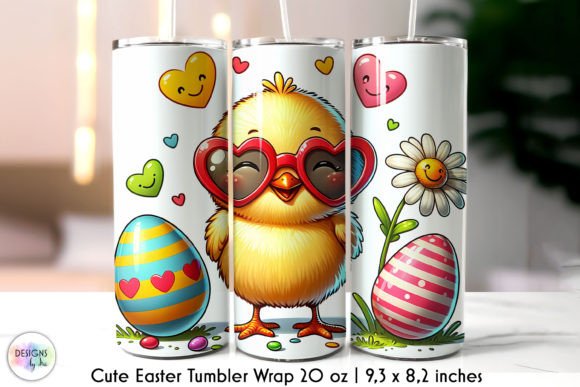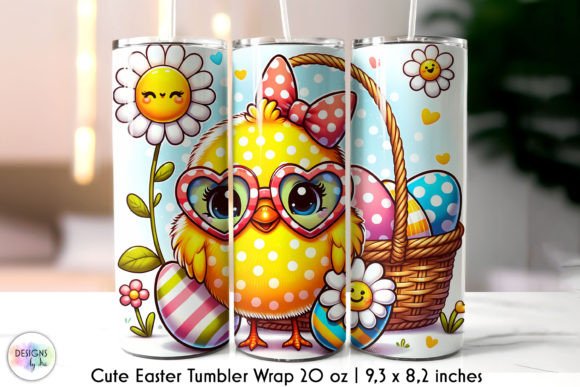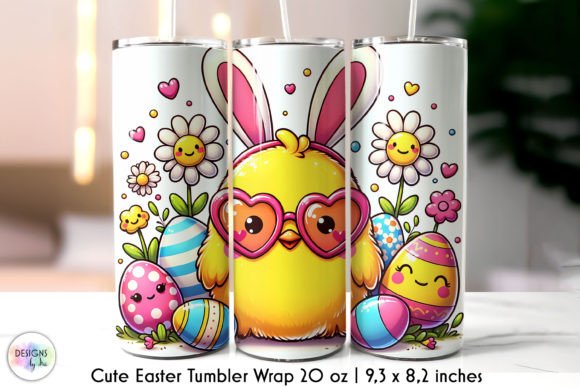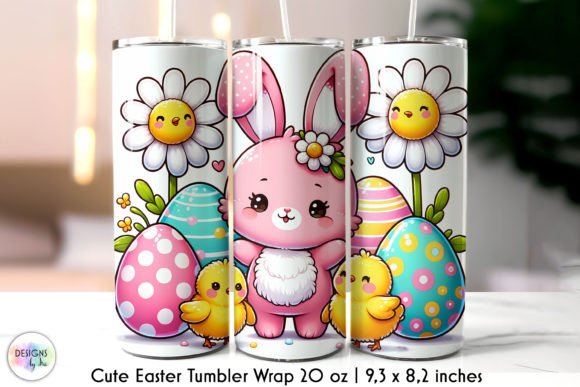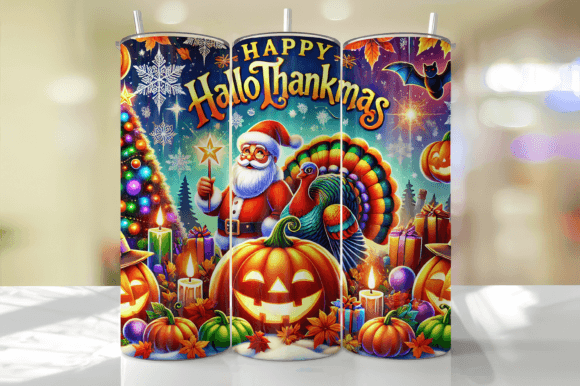
Hallothankmas Tumbler Wrap
First Impressions: A Festive, Flexible Graphic — Not Just for Tumblers
When I opened the Hallothankmas Tumbler Wrap ZIP file, my first thought wasn’t “tumbler” — it was “holiday tote bag.” The design carries that warm, inclusive energy of late fall into early winter: playful lettering, balanced negative space, and a rhythm that feels handmade even though it’s AI-generated and refined in Photoshop. It’s not overly ornate, but it’s not minimalist either — it sits comfortably in that sweet spot where embroidery reads clearly at 3–4 inches wide, yet holds visual interest up close. The “Straight and Tape” layout suggests intentionality: this isn’t just a centered graphic slapped on a rectangle — it’s built to wrap cleanly around curved surfaces *and* lay flat on apparel or home goods.
Where It Shines: Real Projects That Feel Thoughtful, Not Trend-Chasing
I tested Hallothankmas Tumbler Wrap on a medium-weight cotton canvas tote — same fabric I use for boutique holiday gift sets. Stitched with 40-weight poly thread and medium-cutaway stabilizer, the design held crisp edges without stiffness. The letterforms stayed legible, and the spacing between “Hallo” and “thankmas” gave breathing room for satin-stitched outlines to pop. It worked equally well on a relaxed-fit crewneck sweatshirt (using tear-away + topping), where the slight texture of the fleece didn’t swallow the detail. For baby embroidery? I’d scale it down to 2.75" wide and place it subtly on a onesie chest — the friendly tone reads as cozy, not chaotic. As an embroidered patch? Yes — especially when fused to denim jackets or aprons for small shop merchandise. Its clean lines translate well to tea towels and pillow covers too, where readability matters more than fine detail.
Where to Pause — And Why Fabric & Function Matter More Than Hype
This isn’t a one-size-fits-all embroidery file. On stretchy knit t-shirts, I’d add light fusible backing *before* hooping — the design’s horizontal emphasis can pull slightly if the fabric moves mid-stitch. On dark fabric, double-check your thread color contrast: light cream or oatmeal thread reads softly, but charcoal gray or navy gives stronger definition without looking harsh. Avoid using Hallothankmas Tumbler Wrap on ultra-thin fabrics like voile or lightweight rayon unless you’re pairing it with heavy stabilizer — the fill stitch density (while not extreme) still needs support to prevent puckering. And skip curved surfaces like cap fronts unless you’ve confirmed the design fits your hoop’s arc — “Straight and Tape” implies adaptability, not automatic curve optimization.
Small Hoop Reality Check
If you’re working with a 4x4 hoop, measure the design’s width before stitching. While it’s labeled a tumbler wrap, its native proportions may exceed standard hoops when scaled for visibility. Don’t assume it auto-resizes — always check dimensions in your embroidery software. Tiny serifs or tight corners (like the tail of the “g” in “thankmas”) may soften on dense fill areas; test those sections on scrap first.
What It Adds — and What It Doesn’t Promise
Hallothankmas Tumbler Wrap elevates a handmade product by giving it instant seasonal warmth and approachable charm. Customers notice that. When used on personalized gifts — think monogrammed sweatshirts with this as a secondary motif, or holiday kitchen towels bundled as hostess gifts — it signals care, not cliché. It strengthens brand consistency for Etsy sellers who lean into cozy, community-focused aesthetics. But it won’t replace thoughtful placement or smart digitizing. This is a graphic, not a fully digitized machine embroidery design — meaning stitch order, underlay, and jump stitch logic depend on how you (or your digitizer) prepare it. If you’re selling finished embroidered items commercially, confirm licensing terms directly with the seller — the listing notes AI generation and Photoshop enhancement, but doesn’t state commercial use rights.
Practical Designer Notes You’ll Actually Use
- Always stitch a test run on fabric matching your final project — thread tension, stabilizer choice, and fabric weight interact more than most designers expect.
- Review stitch density visually in your embroidery software — dense fills may need reduced density or added stop points for thread breaks on long runs.
- Check small details in black-and-white mockups — what looks festive in color can blur into mush on low-contrast backgrounds.
- Compare light and dark fabric previews side-by-side before finalizing thread colors — especially for Etsy listings where customers rely on accurate visuals.
- Use proper stabilizer for your substrate: cutaway for knits, tear-away for stable wovens, and optional topping for textured fabrics like terry cloth.
- Confirm whether the design supports both personal and commercial embroidery projects — don’t assume resale rights are included.
Final Thought: A Reliable Mood-Setter, Not a Magic Button
Hallothankmas Tumbler Wrap won’t solve every holiday deadline, but it *does* solve the “what feels festive but not forced?” question for craft businesses and embroidery designers who value authenticity over algorithmic perfection. It’s the kind of digital embroidery file that earns repeat use — not because it’s flashy, but because it integrates smoothly into real workflows: custom apparel, small-batch patches, nursery decor, boutique bundles, and heartfelt personalized gifts. Treat it like a solid design asset — test it, adapt it, pair it thoughtfully — and it’ll hold up where many seasonal graphics fade after one season. Just remember: great embroidery starts with smart choices, not just pretty files.